


Digital payments have changed the way people manage money and make online purchases. Today, users have access to different types of payment cards, including traditional debit cards, prepaid cards, virtual cards, and cards connected to digital payment platforms.
RedotPay is one of the platforms that has gained attention among users looking for convenient digital payment solutions. Its card products are designed to provide users with another way to make payments and manage eligible digital assets through supported services.
In this guide, we will explain the RedotPay card, its features, potential fees, benefits, payment options, and how the RedotPay debit card works.
RedotPay is a digital payment platform that provides payment-related services and card products. The platform is designed to connect digital assets with everyday payment use cases through supported services.
Depending on the user's location, account status, and available product, RedotPay may provide access to virtual or physical card options.
Because financial products and availability can vary by country, users should always check the latest information directly on the official RedotPay platform before applying for or using a card.
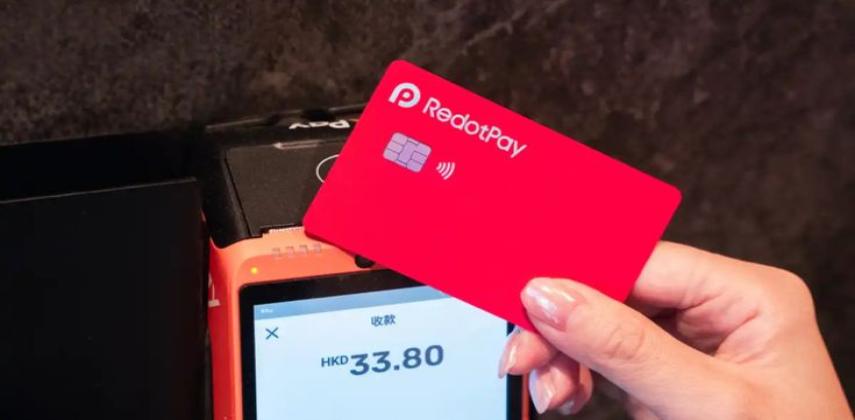
A RedotPay card is a payment card associated with the RedotPay platform. Depending on the product available to a user, it may be offered as a virtual card or physical card.
A virtual card can be useful for online payments, while a physical card can provide a more traditional card-payment experience where supported.
The exact functionality depends on the card type, merchant, country, and current RedotPay terms.
One reason people search for the RedotPay card is its range of digital payment features.
Depending on the specific product and current availability, features may include:
Virtual card functionality
Physical card options
Online payment support
Card management through the platform
Digital asset-related payment functionality
Transaction management
Security controls
Support for eligible merchants and payment services
Not every feature is necessarily available to every user. Availability can depend on regional restrictions and account verification.
The term RedotPay debit card is commonly used when people search for the service online. However, users should understand the exact type of RedotPay card they are obtaining rather than assuming it works exactly like a conventional bank debit card.
Traditional bank debit cards are normally linked directly to a bank account. Digital payment cards can have different funding mechanisms, transaction rules, and limitations.
Before using a RedotPay card, users should review how their particular card is funded, where it can be used, and what transaction conditions apply.
The general process starts with creating an account on the RedotPay platform.
A typical user journey may involve:
The first step is to register for an account using the information requested by the platform.
Depending on the service and applicable requirements, identity verification may be required.
Users should provide accurate information and follow the platform's official verification process.
After setting up an account, users can check which card products are available to them.
This may include virtual or physical card options depending on eligibility and region.
The user then follows RedotPay's supported methods for funding or managing their payment balance.
Always check the current supported assets, networks, limits, and transaction conditions before transferring funds.
Once the card is active and funded according to the applicable rules, it can be used for eligible transactions.
Whether a particular merchant or transaction is supported depends on the card's terms and the merchant's payment network.
A RedotPay virtual card can be useful for users who mainly make online purchases.
Unlike a physical card, a virtual card does not require a physical piece of plastic. Card information can instead be accessed through the relevant digital platform.
Virtual cards can be convenient for:
Online shopping
Digital subscriptions where supported
Software purchases
Online services
Other eligible internet transactions
However, users should always confirm that the merchant accepts the card and that the transaction type is supported.
A physical RedotPay card provides a traditional card format for eligible users.
Physical cards can be useful when a user needs to make payments at supported point-of-sale locations rather than only online.
The availability, delivery options, supported countries, and applicable charges can change, so users should review the latest RedotPay information before ordering a physical card.
One of the most important things to check before using any payment card is its fee structure.
RedotPay fees can depend on the particular service or transaction. Potential charges may relate to areas such as:
Card issuance
Physical card delivery
Transactions
Withdrawals
Currency conversion
Network-related transactions
Other account or service operations
There is no reason to assume that one fee applies to every RedotPay card or every transaction.
Always check the current official fee schedule before making a payment or transferring funds.
This is particularly important for international transactions because exchange rates and conversion-related costs can affect the final amount.
There are several reasons users may consider a digital payment card.
A digital card can make online payments more convenient, particularly for people who frequently use internet-based services.
A virtual card can provide quick access to card details without waiting for a physical card to arrive, where the product is available.
RedotPay is designed around payment use cases involving digital assets, making it relevant to users who want to connect eligible digital assets with supported payment services.
Digital platforms can make it easier to manage card-related information and transactions from one place.
Depending on the card, merchant, country, and applicable restrictions, users may be able to make payments across different locations.
Users should not assume universal acceptance. Always verify the current supported countries and merchants.
The usability of a RedotPay card depends on the card type and payment network.
Some users may use their cards for online purchases, while eligible physical cards may also be usable at supported point-of-sale terminals.
Before attempting a transaction, check:
Whether the merchant accepts the relevant payment network
Whether your card is active
Whether sufficient funds are available
Whether the transaction category is supported
Whether geographic restrictions apply
A declined payment does not necessarily mean there is a problem with the account. Merchant restrictions, card settings, insufficient balance, or unsupported transaction types can all affect payment approval.
Online shopping is one of the common reasons people look for digital payment cards.
A RedotPay card may be useful for eligible online merchants where the card and transaction type are supported.
When shopping online, users should make sure that the website is legitimate and secure. Never enter card details on suspicious websites simply because they claim to offer discounts or free services.
Look for secure checkout pages and verify the merchant before submitting payment information.
Security should always be a priority when using a digital payment card.
Users should:
Keep card details private
Never share security codes unnecessarily
Use strong account credentials
Avoid suspicious links
Enable available security features
Monitor transactions regularly
Contact official support if suspicious activity appears
Never give your account password or sensitive authentication information to another person.
Payment-card fraud is a major problem across the financial industry.
The term carding is sometimes used online to describe the unauthorized use of stolen card information. This activity is illegal and can cause financial losses to both cardholders and businesses.
A legitimate RedotPay user should never buy, sell, test, or use stolen payment-card information.
Instead, users should focus on learning about:
Card security
Fraud prevention
Safe online payments
Phishing protection
Account security
Recognizing fake payment websites
If you notice an unfamiliar transaction, contact the relevant payment provider through its official support channels.
A RedotPay card and a traditional bank debit card may look similar when used for payments, but their underlying services can be different.
| Feature | RedotPay Card | Traditional Debit Card |
|---|---|---|
| Digital platform | Yes | Usually linked to a bank |
| Virtual card | May be available | Depends on bank |
| Physical card | May be available | Common |
| Bank account | Product-dependent | Usually required |
| Digital asset functionality | Core part of the platform | Usually not a core feature |
| Online payments | Supported where eligible | Common |
| ATM access | Depends on product | Common, subject to bank/network |
The right choice depends on what the user needs. Someone who primarily wants a conventional banking relationship may prefer a traditional bank debit card, while someone looking for specific digital payment functionality may consider a specialized payment platform.
There is no single payment card that is perfect for everyone.
Before choosing a RedotPay card, consider:
Your country — Make sure the service is available in your location.
Your payment needs — Decide whether you need online, physical, or both types of payments.
Fees — Review the latest fee schedule.
Limits — Check transaction and account limits.
Merchant acceptance — Confirm that the places you use support the card.
Security — Understand the platform's security requirements.
Terms — Read the current product terms before using the service.
A RedotPay card is a payment card associated with the RedotPay digital payment platform. Depending on availability and eligibility, users may have access to virtual or physical card products.
Not necessarily. Users should distinguish between RedotPay's payment-card products and conventional bank-issued debit cards because the services, funding mechanisms, and terms can differ.
RedotPay offers virtual-card functionality for eligible users and products. Availability can depend on current product offerings and regional requirements.
Fees can apply depending on the card and transaction. Users should check the latest official RedotPay fee information before using the service.
Eligible RedotPay cards may be used for supported online transactions. Acceptance depends on the merchant, card type, payment network, and applicable restrictions.
Using stolen payment-card information without authorization is illegal. Users should never participate in card fraud or use someone else's payment information without permission.
The RedotPay card is a digital payment option that may appeal to users looking for flexible payment functionality and card-based access to supported services.
Its features, fees, availability, and limits can vary depending on the specific product and the user's location. Before signing up or making a transaction, it is important to review the latest official information.
Whether you are comparing RedotPay debit cards, virtual cards, prepaid cards, or traditional debit cards, focus on fees, security, acceptance, limits, and the features that match your actual payment needs.
Most importantly, use payment cards responsibly, protect your card information, and stay away from illegal activities such as card fraud and unauthorized card use.